
A malfunctioning heater during the coldest months of the year demands fast, accurate correction, and the difference between a lasting fix and a temporary patch comes down to diagnostic precision. At Aeromark Mechanical Inc, we approach every heating repair by first identifying the root cause rather than treating symptoms. A furnace that short-cycles, a boiler that fails to reach set temperature, or a heat pump that blows cool air can each trace back to several possible failures, and pinpointing the exact fault protects you from repeat breakdowns and wasted money.
What Causes Most Heating System Failures
Heating systems fail for reasons that fall into predictable categories, and understanding these helps explain why professional repair matters. Mechanical wear affects blower motors, bearings, and inducer assemblies over years of operation. Electrical faults show up in failed capacitors, cracked control boards, tripped safety switches, and corroded wiring connections. Fuel and ignition problems appear as dirty burners, faulty igniters, clogged flame sensors, and gas valve failures. Airflow restriction from dirty filters, blocked ducts, or failing motors forces a system to work harder and overheat.
Across Jersey City, Hoboken, Union City, Hackensack, and the surrounding East Rutherford, Carlstadt, Hasbrouck Heights, Little Falls, Hoboken, Jersey City, North Caldwell, and Tenafly, NJ areas, we see how the local climate and older building stock contribute to specific patterns of wear. Buildings with aging ductwork or undersized returns place extra strain on heating equipment. Our company is knowledgeable with all types of mechanical systems which we install and service, so they run at the efficiencies the systems were meant to provide. This depth of experience means we recognize failure patterns quickly and correct them at the source.
Systems We Repair and Their Technical Demands
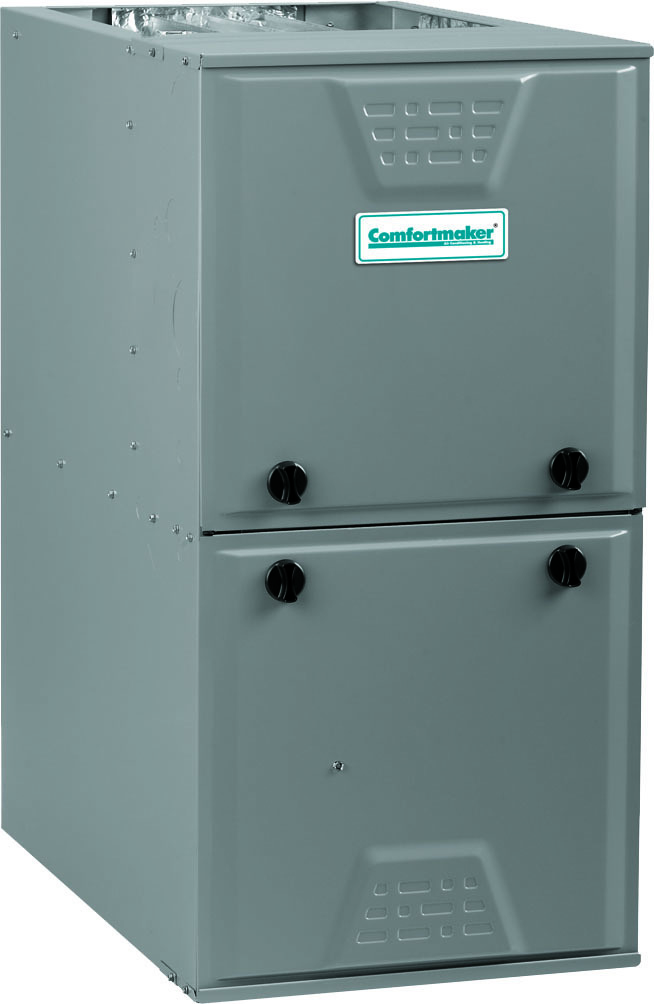
Different heating technologies require different repair skills, tools, and diagnostic methods. A gas furnace uses combustion, so it involves flue draft testing, gas pressure measurement, and heat exchanger inspection for cracks that could leak carbon monoxide. A hydronic boiler moves heated water through pipes and radiators, so repair often addresses circulator pumps, expansion tanks, pressure relief valves, and air-bound zones. Heat pumps operate on a refrigeration cycle in reverse, which means repair may involve reversing valves, defrost controls, and refrigerant charge verification.
The equipment we commonly restore includes the following categories, each with its own service considerations:
- Forced-air gas and oil furnaces: ignition systems, blower assemblies, limit switches, and heat exchangers checked for combustion safety and airflow balance.
- Hydronic and steam boilers: circulator pumps, aquastats, low-water cutoffs, and pressure controls tuned for even heat distribution.
- Heat pumps and ductless mini-splits: refrigerant circuits, defrost boards, and auxiliary heat strips diagnosed for cold-weather performance.
- Rooftop and packaged units: commercial equipment inspected for economizer function, staging controls, and combustion integrity.
Because we service such a broad range of hardware, you avoid the delays that come from a technician unfamiliar with your particular system. We also manage service contracts for single and multiple buildings for any type of system, which gives property managers a single point of contact for diverse equipment across a portfolio.
Our Diagnostic and Repair Method
Every heating repair we perform follows a structured sequence designed to find the true fault and confirm the fix before we leave. We begin with a functional test to observe the failure as it happens, since intermittent problems often reveal themselves only under load. We then measure electrical values, gas pressure, temperature rise, and airflow against the manufacturer specifications for your equipment. These readings tell us whether a component has drifted out of tolerance or failed outright.
Once we isolate the fault, we explain what we found and what the correction involves before proceeding. After completing a repair, we re-test the full heating cycle to verify safe and stable operation. This closing verification step matters because it confirms the repair resolved the underlying issue and did not simply mask it. The steps below outline how we work through a typical service visit:
- Initial assessment: we review the symptoms you describe and observe the system through a complete operating cycle.
- Measurement and testing: we record electrical, combustion, and airflow data to compare against factory specifications.
- Fault isolation: we trace the problem to a specific component or condition rather than replacing parts by guesswork.
- Correction and verification: we complete the repair and re-test to confirm safe, efficient operation.
Why Timely Heating Repair Protects Your Investment
Delaying a heating repair often turns a small problem into a large one. A worn blower bearing that goes unaddressed can seize and burn out the entire motor. A dirty flame sensor that causes nuisance shutdowns can wear the igniter through repeated cycling. A boiler running with trapped air heats unevenly and puts extra stress on the circulator pump. Catching these faults early keeps repair costs contained and extends the service life of expensive equipment.
Beyond cost, prompt repair preserves comfort and safety. Combustion equipment that runs improperly can produce carbon monoxide, so heat exchanger inspection and draft testing are not optional steps. Correctly restored systems also use less fuel, which lowers your operating costs through the heating season. When we repair a system to its original specifications, it delivers the efficiency the manufacturer engineered into it, which is exactly the standard our work targets.
Serving Homes and Buildings Across the Region
Heating repair needs vary widely between a single-family home and a multi-story commercial building, and we adapt our approach accordingly. In residential settings, we focus on comfort, quiet operation, and efficient fuel use across the living space. In commercial and multi-building environments, we coordinate repairs to minimize disruption to tenants and operations, often scheduling work around occupancy patterns.
Property owners throughout East Rutherford, Carlstadt, Hasbrouck Heights, Little Falls, Hoboken, Jersey City, North Caldwell, and Tenafly, NJ rely on Aeromark Mechanical Inc for consistent, technically sound heating repair backed by broad system knowledge. Whether you operate a townhouse furnace, a brownstone boiler, or a rooftop unit serving a commercial floor, our team brings the same disciplined process to every job. When your heat fails or performs poorly, reach out to Aeromark Mechanical Inc and let our experience with the full range of mechanical systems restore reliable, efficient warmth to your property. We stand ready to diagnose the fault, repair it correctly, and verify the result so your system performs as intended through the season ahead.