
A heating system operates as an integrated network of components, and each part must perform correctly to deliver consistent warmth throughout a building. At Aeromark Mechanical Inc, we approach heating as a technical discipline that combines mechanical engineering, combustion science, and precise airflow management. Serving East Rutherford, Carlstadt, Hasbrouck Heights, Little Falls, Hoboken, Jersey City, North Caldwell, and Tenafly, NJ, we work with the full range of heating equipment found in homes, apartment complexes, and commercial structures across the region.
How Modern Heating Systems Generate and Distribute Warmth
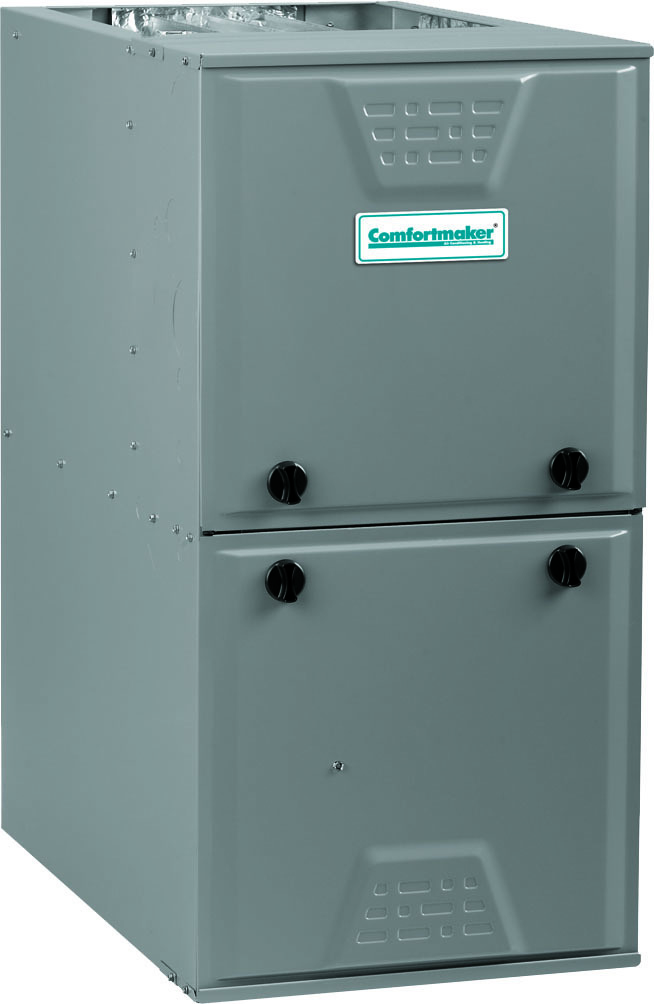
A heating system converts fuel or electricity into thermal energy, then moves that energy through a building using air, water, or steam as the carrier. Forced-air furnaces heat air over a heat exchanger and push it through ductwork with a blower motor. Boilers heat water and circulate it through radiators, baseboard units, or radiant floor loops. Each method has specific advantages depending on building layout, insulation levels, and the way occupants use the space.
Understanding the physics behind heat transfer allows us to diagnose problems accurately and to recommend the correct fix rather than a temporary patch. When a furnace short-cycles or a boiler fails to reach setpoint, the root cause often lies in a component several steps removed from the obvious symptom. Our company is knowledgeable with all types of mechanical systems which we install and service, so they run at the efficiencies the systems were meant to provide.
Heating Scenarios We Handle Across Different Properties
Heating needs vary dramatically from one property type to the next. A single-family home may rely on one furnace with a straightforward thermostat, while a mid-rise apartment building might use a central boiler feeding dozens of individual zones. Recognizing these differences shapes how we plan installations, schedule maintenance, and structure repairs.
- Residential furnace heating: gas and electric furnaces that supply warm air to individual homes, often paired with central cooling for year-round comfort
- Boiler and hydronic systems: hot water or steam systems that feed radiators and baseboard units, common in older buildings and multi-unit dwellings
- Heat pump heating: electric systems that extract heat from outdoor air even in cold weather, offering efficient dual-purpose heating and cooling
- Rooftop and commercial units: packaged systems that serve retail spaces, offices, and industrial facilities with high-capacity heating demands
For each of these categories, the design of the distribution network matters as much as the heating source itself. Undersized ductwork strangles airflow, while oversized piping wastes energy circulating water that never reaches the intended zones. We evaluate the complete system so that the heat generated actually arrives where occupants need it.
Diagnostic Methodology and Technical Specifications
When we investigate a heating fault, we follow a structured sequence rather than replacing parts by guesswork. We begin by verifying the thermostat calls for heat and confirming the control voltage reaches the equipment. From there we move through the ignition sequence, checking igniters, flame sensors, gas valves, and pressure switches on combustion systems, or electrical contactors and reversing valves on heat pumps.
Technical measurements guide every decision we make. We check temperature rise across the heat exchanger against the manufacturer’s rated range, confirm gas manifold pressure with a manometer, and measure amperage draw on blower and inducer motors. On boilers, we monitor supply and return water temperatures, verify circulator flow, and inspect combustion efficiency with a flue gas analyzer. These readings tell us whether a system operates within its designed parameters or drifts outside them in ways that waste fuel and shorten component life.
Combustion safety receives particular attention. A cracked heat exchanger or a blocked flue can allow carbon monoxide to enter occupied spaces. We test draft, inspect venting for corrosion and blockage, and confirm that combustion air supply meets code requirements. This careful process protects both the equipment and the people who depend on it.
Installation Practices for Long-Term Performance
A heating installation done correctly can deliver reliable service for well over a decade, while a rushed job produces callbacks and inflated utility bills. We size equipment using load calculations that account for square footage, insulation quality, window area, and local climate rather than simply matching the capacity of an old unit. Proper sizing prevents the short-cycling and uneven temperatures that plague oversized systems.
The quality of the supporting infrastructure determines how well the heating equipment performs. During installation we verify that ductwork is sealed and insulated, that gas lines are correctly sized and leak-tested, and that condensate drainage from high-efficiency units flows freely. On hydronic projects, we confirm proper pipe pitch, air elimination, and expansion tank sizing so the system runs quietly and efficiently.
Maintenance Contracts and Efficiency Management
Scheduled maintenance keeps heating systems running at their rated efficiency and catches small problems before they become expensive failures. A furnace with a clogged filter and dirty blower wheel can lose a significant portion of its output, forcing longer run times and higher fuel consumption. Regular attention reverses this decline and extends the useful life of the equipment.
We manage service contracts for single and multiple buildings for any type of system, which allows property owners and facility managers to maintain consistent performance across an entire portfolio. A typical maintenance visit includes several coordinated steps:
- Inspection and cleaning: checking burners, heat exchangers, filters, and blower assemblies for debris and wear
- Performance testing: measuring temperature rise, combustion efficiency, and electrical draw against factory specifications
- Safety verification: confirming proper venting, gas pressure, and control operation to protect occupants
- Adjustment and reporting: fine-tuning settings and documenting findings so owners understand system condition
For multi-building contracts, this consistency simplifies budgeting and reduces surprise breakdowns. When one central plant serves many units, a single overlooked issue can affect every occupant, so coordinated maintenance carries even greater value in larger properties.
Serving Homes and Businesses Throughout the Region
Aeromark Mechanical Inc provides heating repair, furnace service, and complete HVAC installation for property owners across East Rutherford, Carlstadt, Hasbrouck Heights, Little Falls, Hoboken, Jersey City, North Caldwell, and Tenafly, NJ. Our combined heating and cooling expertise means we understand how your heating equipment interacts with the rest of your mechanical systems, from shared ductwork to integrated controls.
Whether you operate a single home that needs a dependable furnace or manage a commercial building with complex zoning requirements, Aeromark Mechanical Inc brings the technical knowledge to keep your heating running efficiently through every cold season. We match each solution to the specific demands of your property, so you receive warmth that is both reliable and cost-effective year after year.